
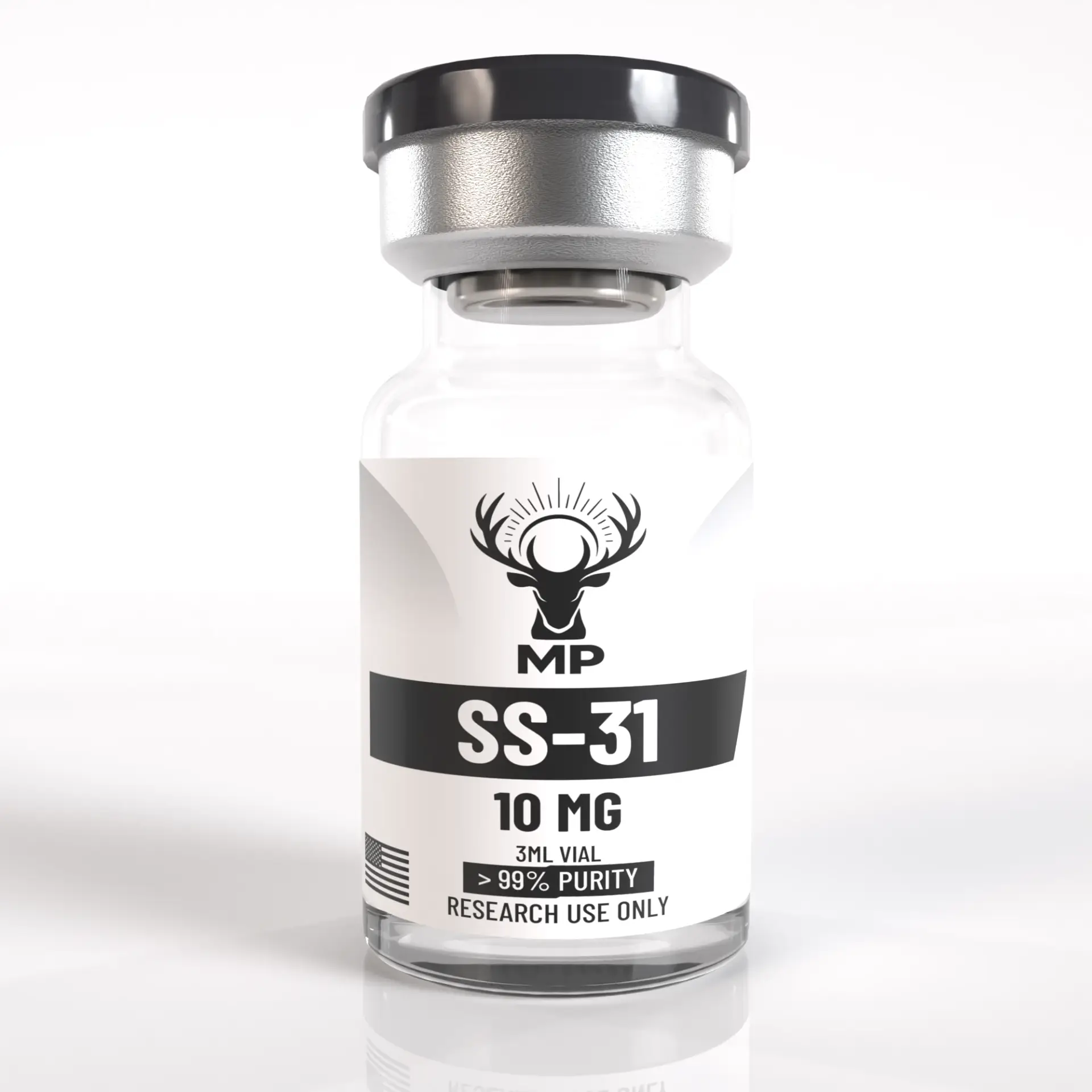
SS-31
SS-31 is a synthetic peptide derived from the natural sequence of a human protein known as suppressin. Originally identified in 2013 through studies examining its potential protective effects against oxidative stress and tissue damage, SS-31 has since gained attention within academic and research communities for its biochemical and cellular properties.
Research Context
SS-31 was first isolated from human plasma and subsequently synthesized for laboratory investigation. Early research focused on its role in lipid metabolism, cardiovascular health, and cellular resilience. The peptide’s structure, consisting of only six amino acids, allows for ease of synthesis and modification, making it a valuable tool for studying mechanisms of oxidative damage and tissue repair.
Research Overview
SS-31 has been explored in preclinical models for its potential to mitigate damage caused by oxidative stress, inflammation, and aging-related decline. Initial findings suggested beneficial effects on heart tissue, skin integrity, and mitochondrial function, though its mechanisms remain under ongoing investigation. Due to its small size and low molecular weight, SS-31 can easily cross cellular membranes, enabling targeted studies in various biological systems.
Key Research Focus Areas
- Oxidative stress and mitochondrial function
- Cardiovascular protection and tissue repair
- Skin aging and wound healing mechanisms
- Neuroprotective properties and aging-related decline
- Metabolic health and lipid regulation
Safety and Compliance
SS-31 is provided for research purposes only and should be handled with the same caution as any laboratory reagent. This material is not intended for human or animal consumption, and its effects in such contexts have not been evaluated under standard regulatory frameworks. Researchers must adhere to institutional biosafety guidelines and ethical standards specific to their institution.
For research use only. Not for human or animal consumption.
| Size | 100 MG, 10MG, 20MG |
|---|


Reviews
There are no reviews yet.